
Kilimanjaro National Park
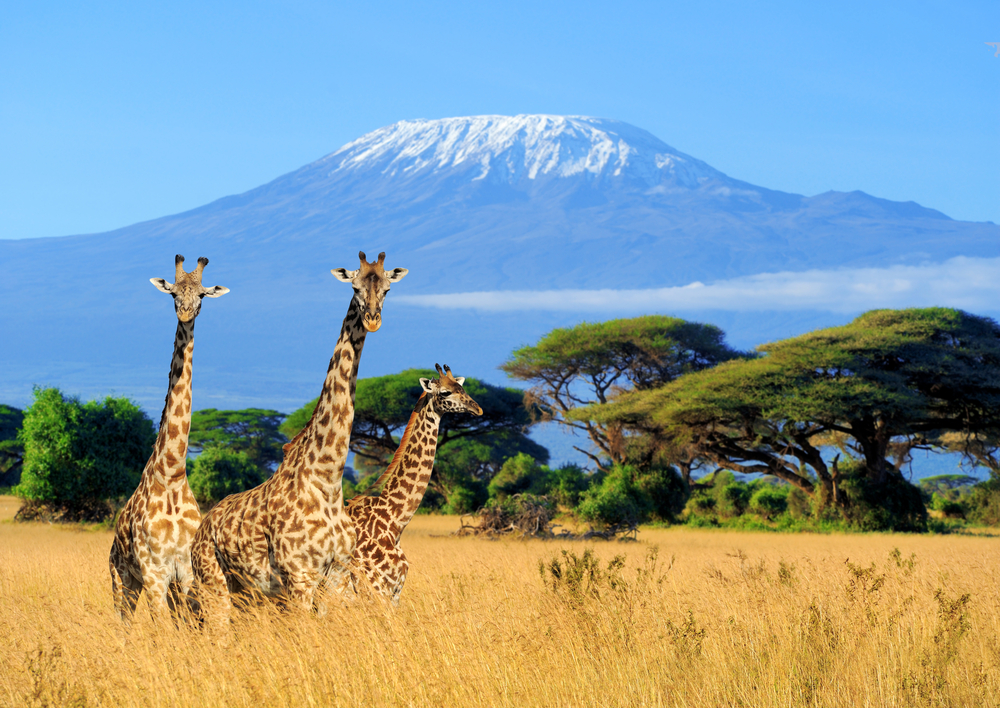
Killimangaro National Park
located in northern Tanzania, protects Africa’s highest peak, Mount Kilimanjaro, a dormant stratovolcano rising 5,895 meters (19,341 feet). The park is renowned for its dramatic elevation range, diverse ecosystems, and as one of the world’s most accessible high-altitude climbs, attracting trekkers and scientists alike.
Key Facts
• Location: Kilimanjaro Region, northeastern Tanzania
• Area: 1,688 km²
• Established: 1973 (UNESCO World Heritage Site, 1987)
• Highest Point: Uhuru Peak (5,895 m / 19,341 ft)
• Managed by: Tanzania National Parks Authority
Why Kilimanjaro National Park Is Truly Iconic
Kilimanjaro National Park is one of Africa’s most remarkable natural treasures, home to the continent’s highest peak, Mount Kilimanjaro. The park offers a once-in-a-lifetime journey through diverse ecological zones, from lush rainforests and moorlands to alpine desert and an arctic summit. As the world’s tallest free-standing mountain, Kilimanjaro attracts climbers, nature lovers, and adventure seekers from across the globe. Beyond trekking, the park supports rich biodiversity, scenic landscapes, and vital conservation efforts, making it an essential destination for travelers seeking both challenge and natural beauty in Tanzania.
Plan Your Climb: Mount Kilimanjaro
Mount Kilimanjaro is Africa’s highest mountain and the world’s tallest free-standing peak, featuring multiple ecological zones—from rainforest to alpine desert and an arctic summit—all within a single climb.
Climbers pass through cultivated farmlands, lush rainforests, heath and moorlands, alpine desert, and finally the icy summit, making Kilimanjaro one of the most diverse trekking experiences on Earth.
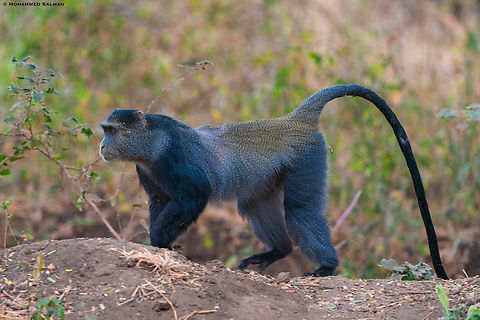
The lower forest zones are home to elephants, leopards, buffaloes, and colobus monkeys, while higher elevations support unique plant species such as giant lobelias and groundsels, along with over 180 bird species.
The Machame and Lemosho routes are popular for first-time climbers due to their scenic beauty and better acclimatization profiles, leading to higher summit success rates..
The Northern Circuit and Lemosho routes offer the best acclimatization and highest summit success rates because of their longer duration and gradual ascent.
The mountain lies within the ancestral lands of the Chagga people and plays a vital role in Tanzania’s economy through tourism, employment, and conservation initiatives.